.png)
Azerbaijan's Amnesty Act for 2025: A Cause for Hope or Skepticism?
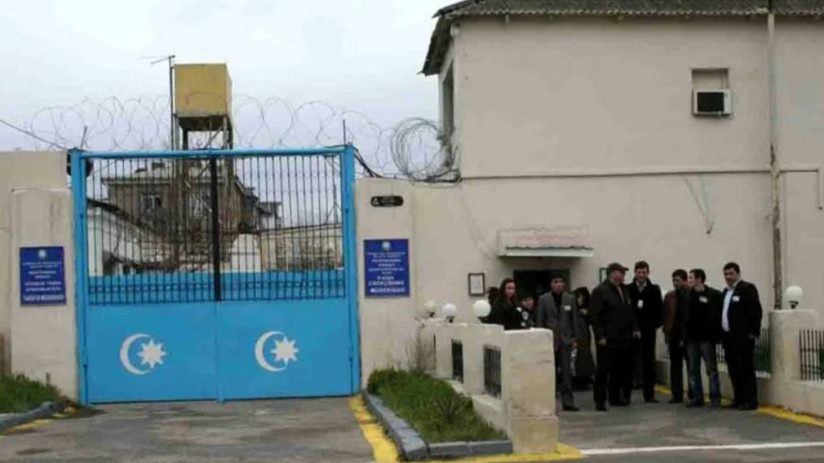
On December 19, Azerbaijan's parliament, the Milli Majlis, approved an amnesty act: On the Declaration of Amnesty on the Occasion of the Year of the Constitution and Sovereignty. President Ilham Aliyev proposed this to mark the year 2025, which is themed around national sovereignty. The law, to be put in place over four years, is described by officials as one of the largest acts of legal forgiveness in the country’s history.
This act is expected to affect over 20,000 people. About 5,000 prisoners could be released, and another 3,000 might have their sentences reduced. Outside of prison, around 7,000 people could have their freedom restrictions removed, almost 4,000 could be freed from conditional sentences, and more than 1,000 might avoid criminal charges altogether.
The amnesty focuses on people who served Azerbaijan during conflicts. It aims to help those who fought for the country’s sovereignty, families of those killed or missing in action, people disabled by military actions against civilians, women, people over 60, and those who were minors when they committed their crimes. People found guilty of less dangerous crimes or those committed by accident may also receive leniency.
Even with these large numbers, legal experts and human rights advocates are not so sure about the act. Lawyer Fariz Namazlı says that most prisoners are charged with serious crimes, which this amnesty mostly excludes. Those with serious charges can only benefit if they have less than a year left on their sentence. Namazlı says this act is much like past amnesties and does not fix the problem of overcrowded prisons. He also mentioned that major cities have far more serious crime cases than minor ones, so the supposed mass release might not be as big as it seems.
The purpose of the act is also being questioned. Committee Chairman Zahid Oruc says the law applies to anyone whose charges fit the amnesty, even those under investigation. But civil society members like Araz Aliyev of the III Republic Platform are not convinced. Critics claim the government does not plan to release political prisoners, journalists, or activists, because they usually face serious charges that the act does not cover. Some nearing the end of their sentences might be released early, but many activists think this act won't change how the government deals with its political enemies.


Comments